They Got it Together!
As we wrap up this series on wellness, I turn our attention to the Blue Zones, where people enjoy long lives and the factors that contribute to their longevity: consumption, movement, and social connection.
More important than the number of years is the quality (lifespan vs. healthspan). Blue Zoners generally do not outlive their good health; they do not decline precipitously but stay on the go until the end.
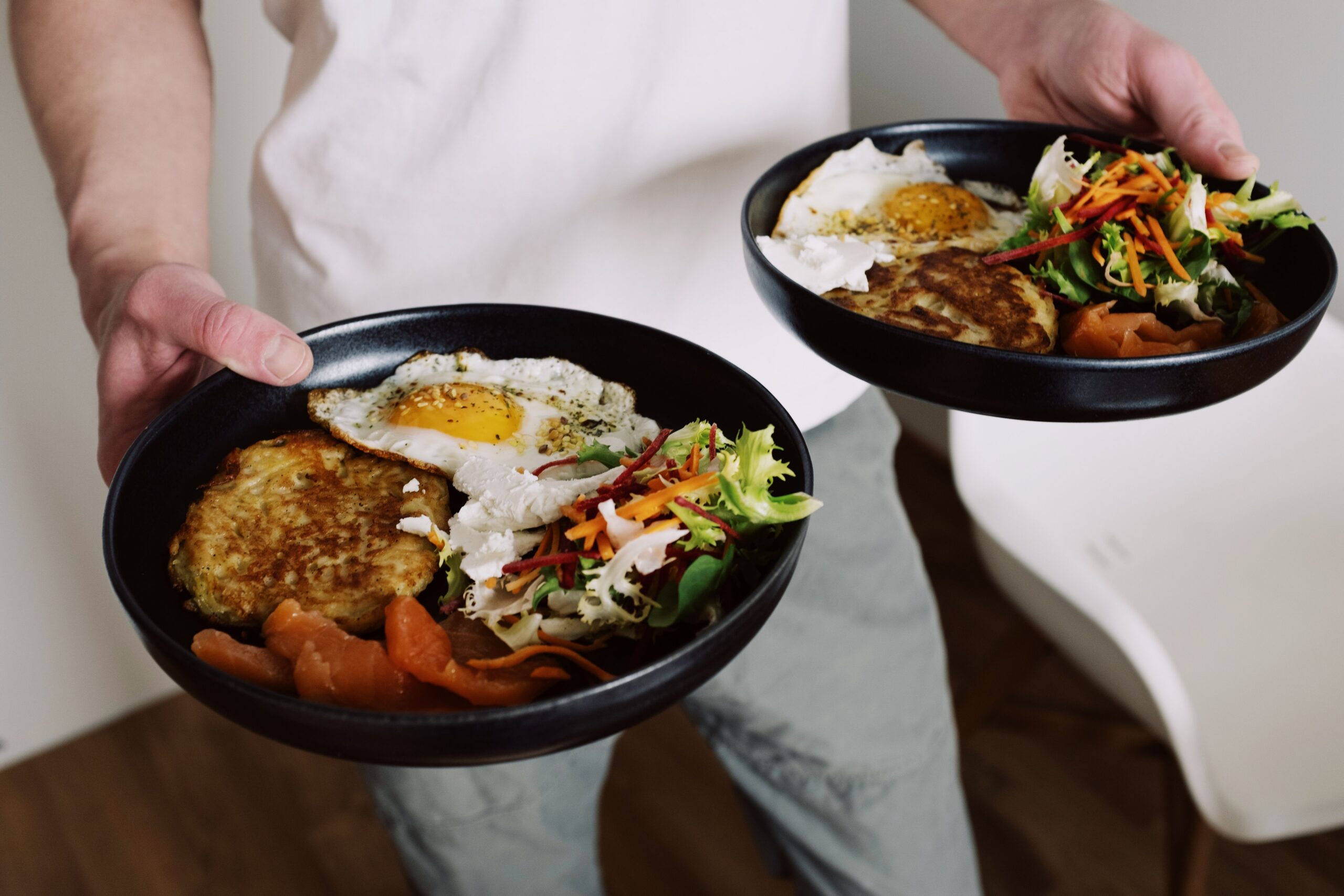
Blue Zoners do not count calories, rely on superfoods, or completely abstain from anything. They consume fewer calories by consuming more vegetables, fruit, and grains and enjoy meat, sweets, and alcohol occasionally without overindulging.
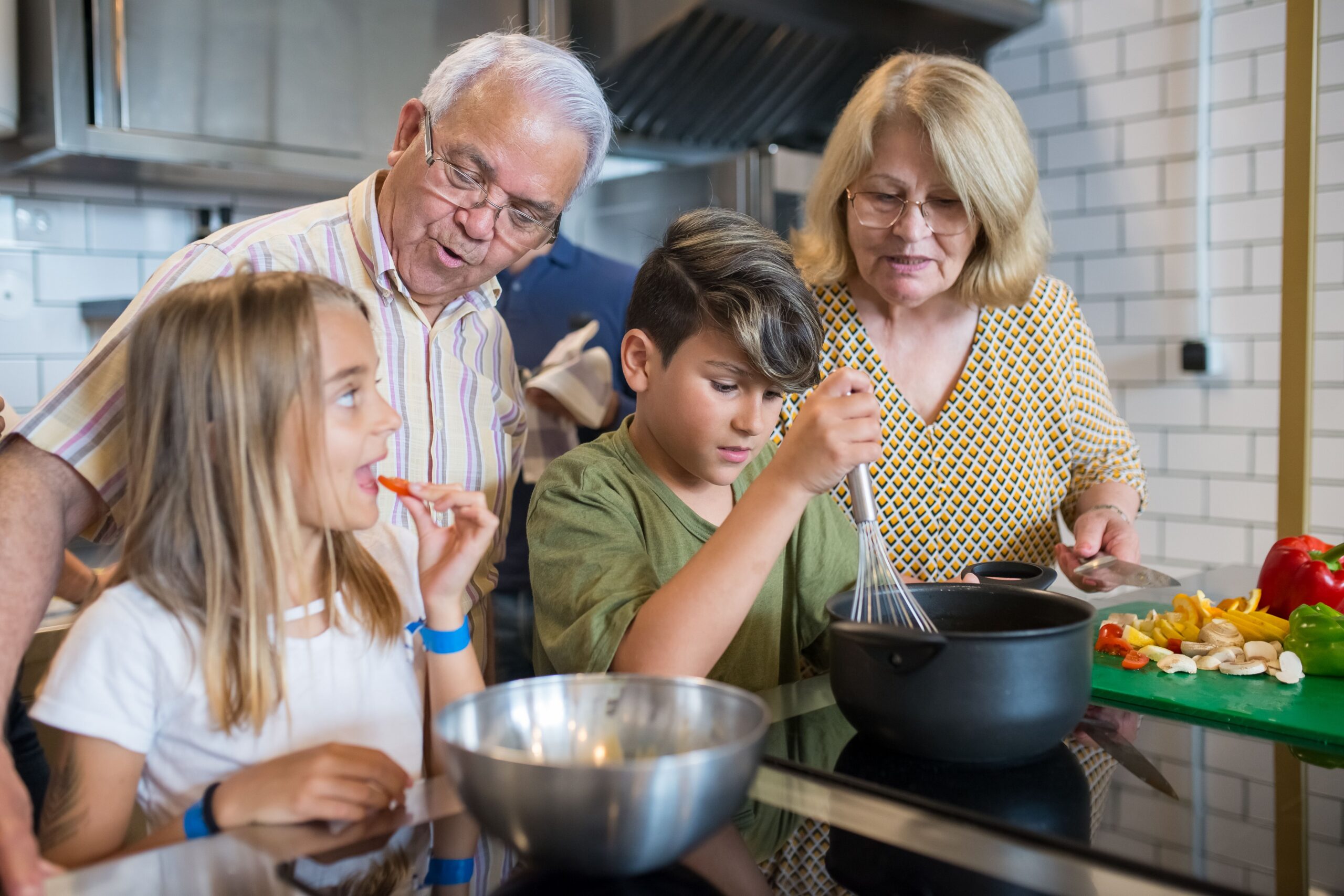
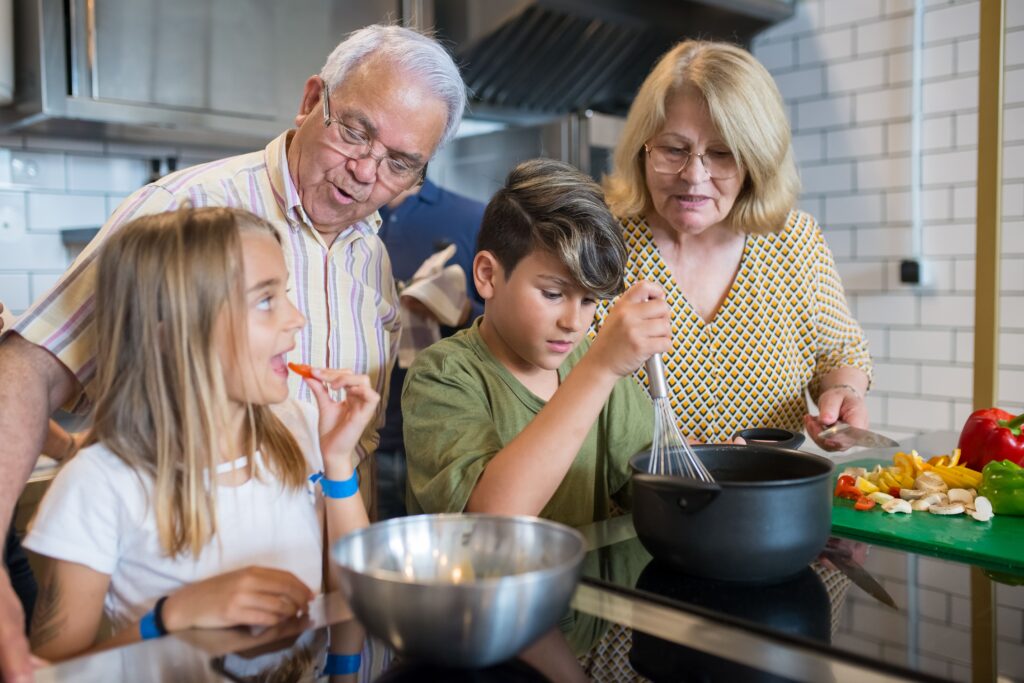
Nor do they sweat at the gym or count 10K steps a day, but they avoid sedentary behavior by moving regularly during their daily activities. They cook at home, which requires walking grocery store aisles, slicing vegetables, lifting pots, washing dishes, etc. These apparently pedestrian activities are far superior to grabbing a bag from the take-out window, unwrapping the paper around the burger, and digging my fingers into a French fry basket.
Meditation, breathing, hot boxing, aromatherapy, crystals, cold plunges, IV infusions, testosterone injections, cryotherapy, and the like are probably fine but unnecessary except to the extent that they drive a wellness lifestyle.
My great-aunt, Zia Maria, was a veritable jack-in-the-box, never sitting for more than ten minutes at a time – constantly getting up to perform tasks as small as clearing dishes off the table, washing a cup, or returning food to the fridge.
When I protested that she should stay seated and relax, she insisted that these chores kept her healthy and vital. She was right and remained active until her final year, finally passing shortly before reaching centenarian status.
Social Movement
Maintaining interpersonal relationships is also crucial. Social disconnection increases the risk of premature death as much as smoking 15 cigarettes a day.
Blue Zoners have hobbies and perform acts of service to provide purpose, mental stimulation, and social connection. They tend gardens, walk to meet friends, attend family gatherings, volunteer at the library, congregate at church, etc. In-person activities naturally elevate physical movement and provide something for the soul that internet chat rooms and virtual lonely-heart clubs cannot.
When you exchange a solo five-mile run for an hour of pickleball with friends, any loss in fitness is more than made up for with better overall wellness. People go to the gym to see their bros and find their crush as much as to build muscle.
High-fives, hugs, greetings, and conversations during these social interactions also boost your spirits. A positive outlook reduces stress, depression, and the risk of cardiovascular disease while increasing immunity, coping skills, and lifespan.
The Lifestyle
Blue Zoners exemplify that the healthiest people treat wellness as a lifestyle, not a collection of segregated activities. It is like faith in that it is lived daily, not by checking a box on Sunday.
The elements of wellness are cumulative and synergistic, creating a flywheel effect. Good consumption facilitates movement, which in turn facilitates purposeful activities with social interaction.
Your actions will significantly influence whether you die (i) unexpectedly at 88 while living at home, unencumbered by any serious medical ailments, after feeding pigeons during your daily trip to the park or (ii) at 78 after a steady deterioration in an assisted living cell block, watching an endless loop of Turner Classic Movies.
By respecting and stewarding your physical and mental gifts with a lifestyle that fosters wellness, you will reap the benefits of not only a longer life but also a more rewarding one.
____________________________________________________
It is not the program you follow, but the life you lead.
____________________________________________________