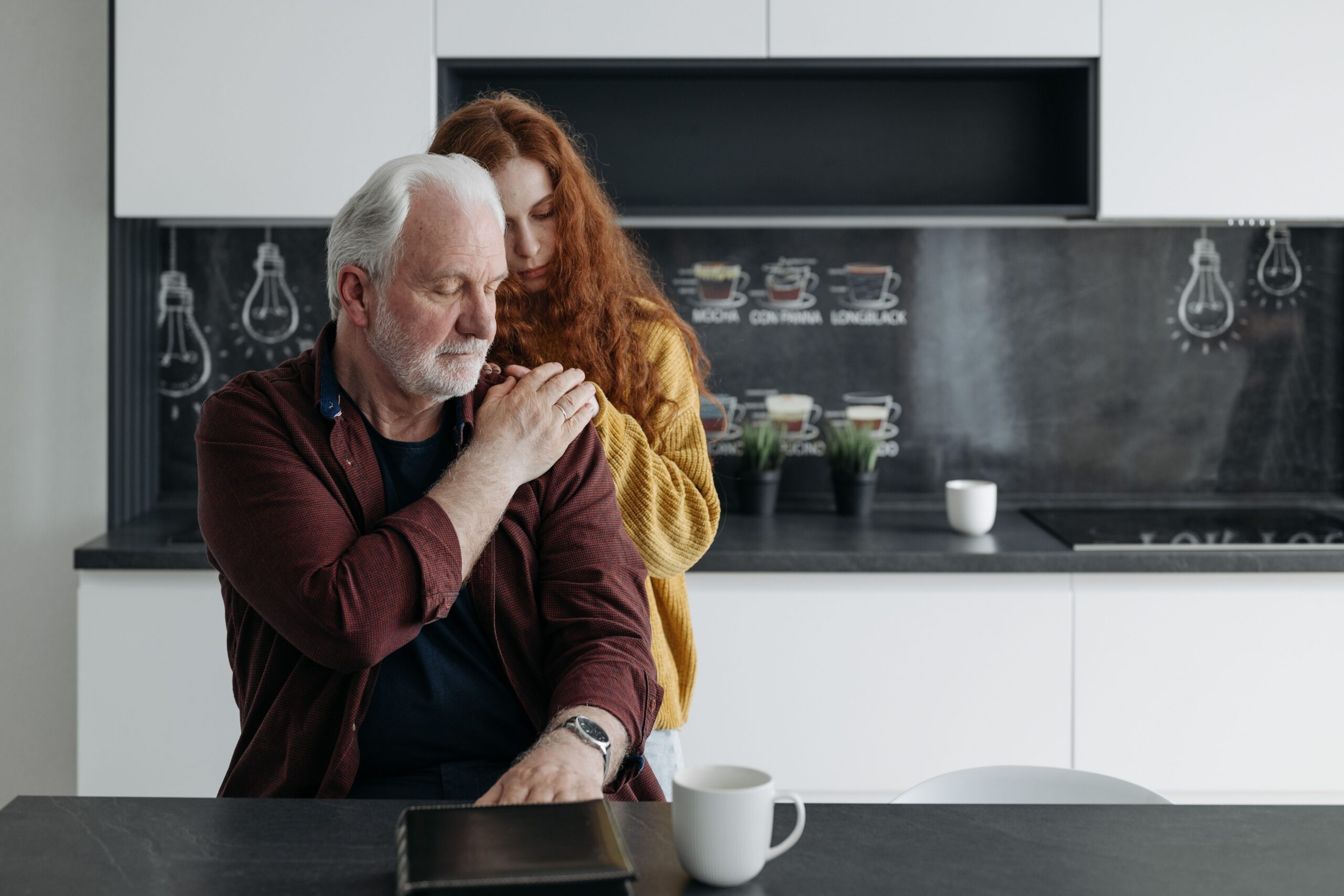
We carry it with us everywhere – our wellness, or lack thereof.
The Backdrop
You do not need a peer-reviewed medical study to know that the better you take care of your body, the better it takes care of you. However, there is a frequent disconnect between our awareness and our actions. The evidence is apparent at any public gathering: 40% of adults are obese (not merely overweight) and likely sedentary.
I am here to encourage well-being, not to fat-shame the wide-bodied or to exalt the chiseled. Regrettably, society has adopted well-intentioned but misguided body positive and anti-diet culture movements. While everyone agrees that consuming chocolate eclairs, Snickers, Big Macs, and Coca-Cola every day is unhealthy, any mention of these truths is met with accusations of fat-shaming.
We have also conditioned ourselves to accept heavier bodies. Nearly half of those classified as overweight do not perceive themselves as such, and only 17% of them received a clinician’s recommendation to lose weight. We have replaced stick-thin models in our advertisements with people representative of our current population, the overweight.
Of course, body weight is not always a reliable indicator of well-being: some waifs get out of breath walking up a flight of stairs, and 250-lb. weightlifters can have low body fat percentages.
The True Objective
We often think about wellness in terms of our ability to turn heads (for the right reason) at the pool or the number of likes on our Instagram gym mirror selfies. Our desire for these reactions has more to do with our egos and hobbies than with our desire for well-being.
Living independently as long as possible, avoiding preventable health conditions, exploring far-off tourist destinations, and playing with your grandchildren are the most important outcomes of our fitness activities.
As with any endeavor, your “why” is the most significant driver of your actions. The discipline to say yes to exercise and no to rotting on the couch is much easier when viewed as a choice between climbing the steps at Machu Picchu, carrying your granddaughter on your shoulders as you walk around Chicago, or sitting out these experiences and ruminating on what you are missing.
If you view golden-years travel or grandchildren as too distant, what you do today lays the foundation for what you can do later. Fortunately, your current condition is not permanent; with the right action, you can change it.
Why Not?
The same internal impediments to any goal apply here. Our idealized version of well-being is often too challenging, so we leave it unpursued. The almost imperceptible progress in a wellness program can be so disappointing that we cease working toward our objective. We compensate with quick fixes like extreme diets or unforgiving workout schedules that may pay off quickly, but we likely abandon them just as quickly and surrender any gains.
My regular readers know my affinity for modest starts combined with a modest degree of consistency, which inevitably deliver excellent results.
A guy I know who could probably lose 100 pounds told me he was disappointed to have lost only 13 pounds over the past six months. He said someone his size could lose 13 pounds in a month. I mentioned that if he maintained this pace for another 18 months, his cumulative weight loss would exceed 50 pounds. Yes, the pace would be unnecessarily slow. The only virtue is that it would yield the best sustained result he had experienced in thirty years.
___________________________________________
The objective of wellness is the ability to do what is important to us. With the proper mindset and consistent action, we can achieve good physical well-being. In the coming weeks, we will explore the keys to success.
____________________________________________