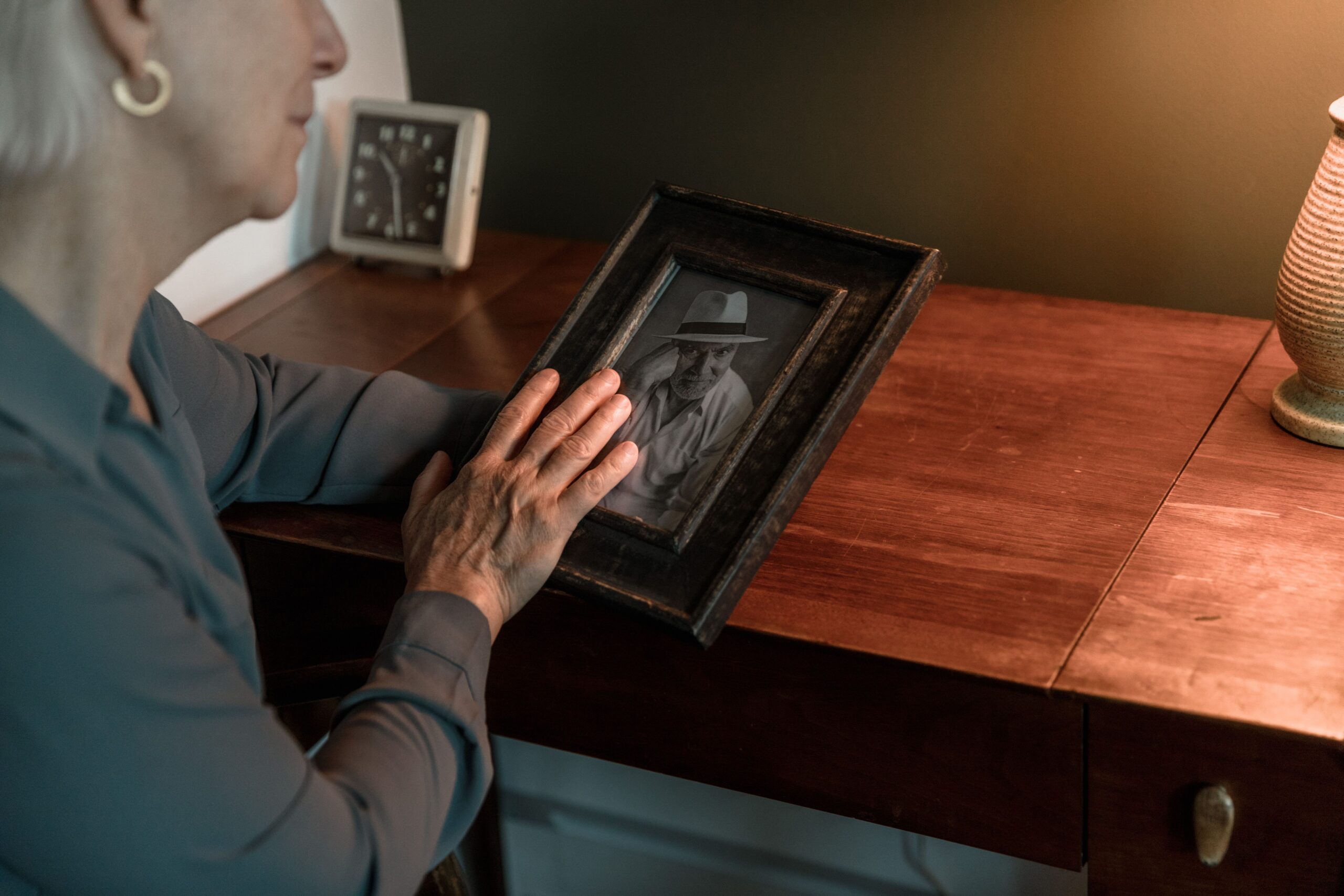
What about our grief over the loss of a loved one?
Today, we explore different perspectives while acknowledging that a solitary blog post is particularly insufficient for those who have suffered the loss of a spouse or a descendant. Cathy and I witnessed our parents grieve their oldest child’s death and dear friends unexpectedly losing their husbands.
There They Go
You may recall that last year, while writing the posts on death and grief, I learned of the death of my long-time dear friend, Eric. Remarkably, another friend passed away three days ago. J Mitch was the person who converted my mom, after 80 years of old-time Catholic hymns, into a joyous singer of hand-clapping, high-energy contemporary Christian music.
I will miss the sparkle in his eye when he struck up the band and his inspirational messages between songs (and many other things). He was a bright light at our church, and it pains me to think that the next time I see him, he will be in a casket instead of behind his keyboard. It will not be the same without him.
One way to deal with the loss is to compare the lost loved one to the hundreds of people I have been close to through school, jobs, and neighborhoods. I have lost contact with virtually all of them as we experienced the natural drifting apart that comes with life’s travels.
Experience shows that we are in each other’s lives to serve a purpose, and once that purpose is served, there is a natural obsolescence. My ride-or-die high school buddies were a crucial part of my adolescence, but being a part of my life today was not meant to be. I appreciate but do not mourn those concluded relationships.
We can regard our relationship with a departed loved one as having served its essential purpose and coming to its natural conclusion rather than being unfinished.
The Afterlife
Those with faith that includes an afterlife are comforted by believing the deceased is in a “better place.” Mother Teresa eloquently expressed this belief when consoling a friend whose nephew died.
“It must have been a big shock to all of you, as you all had seen the child three days before his death alive and happy. God, our loving Father, who knows us, loves us, knows the best for us, has taken [the son] for Himself to heaven, where he is now living in full the life that God wants to give us. So it is a happy and consoling thought for the parents that [he] is not dead in sin but alive fully in heaven through God’s love and mercy.”
No Easy Answer
I am not suggesting you adopt a “here today, gone tomorrow” attitude or that you should shrug off a loved one’s death as the mere passing of a season or finishing a chapter in a book. Those attitudes would needlessly discourage or diminish intimate relationships. The purpose is to provide context and meaning to the duration of our relationships.
Ironically, you may appreciate great sorrow as it is directly proportionate to the depth of your relationship. It is a double-edged sword. How much of your best relationship would you sacrifice for diminished grief afterward?
You cannot and should not avoid grief. Processing is an essential part of coping and recovery. Nor do you need to hang onto grief to confirm you value or miss the relationship.
I miss my mommy, and I chuckle knowing she would have yelled at me for falling ill during my Paris trip that she would have regarded as the inevitable result of some moral failing on my part. Similarly, I smile every time I look at a sushi restaurant or menu and think of Eric and the conversations we shared over dinner.
For a lyrical message, I refer you to the Bryd’s timeless classic, Turn! Turn! Turn!.
_________________________________________________
Treasure and carry the memory of your departed loved ones. Grief and understanding will lead you to peace.