Consumption
Today, we address what we load into our bodies. More than seventy percent of us are overweight or obese and suffer from a multitude of severe health problems as a result.
We assign too much blame to the dreaded middle-aged spread for our bloated condition. Admittedly, flesh tends to accumulate around our waistline or derriere as we age. Still, this reality does not justify being arrested for indecent exposure if we wore our college-party toga today.
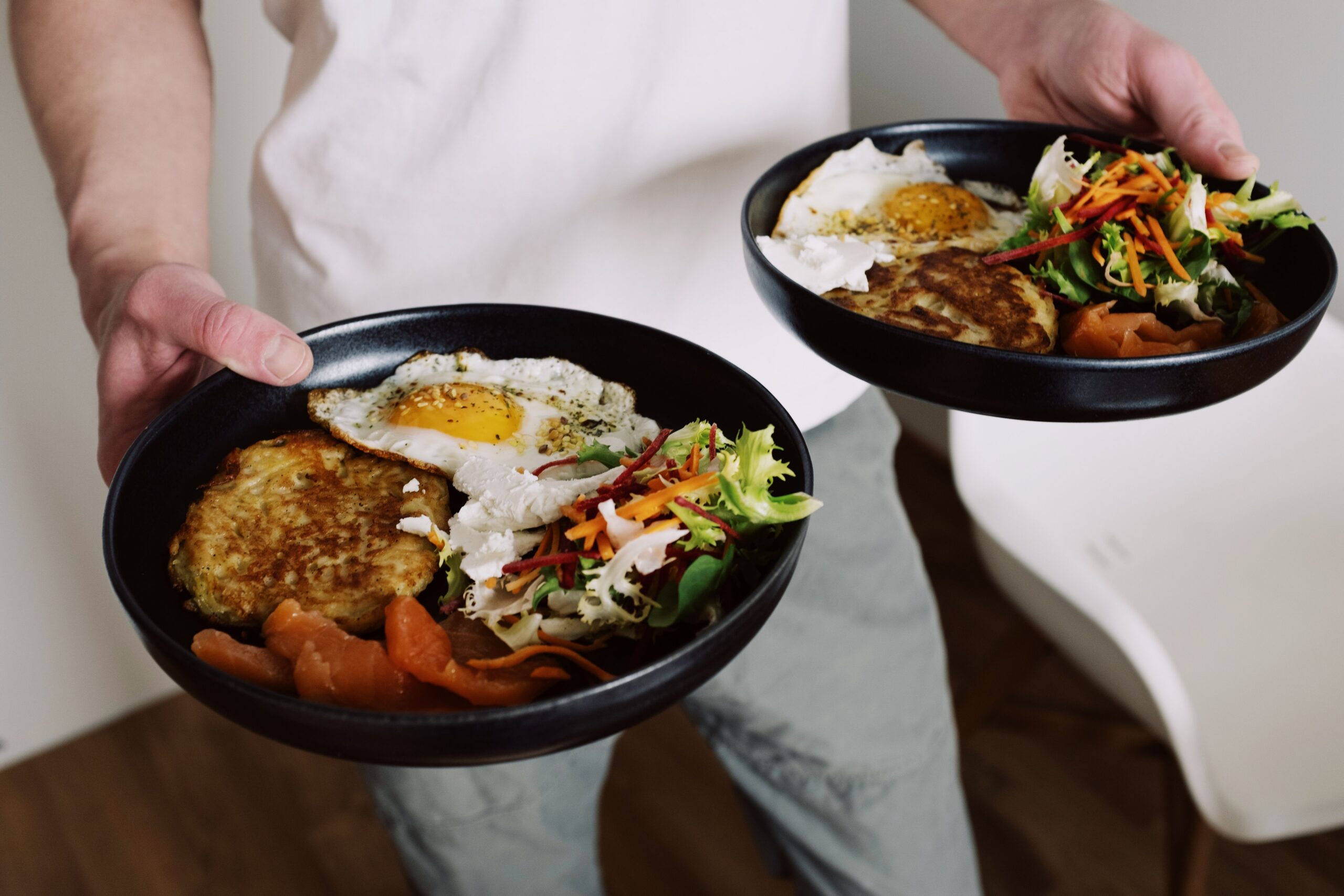
We consume nearly 15% more calories than we did forty years ago. Unsurprisingly, we eat less nutritious foods and dine out more often than we eat at home.
Those who hope robust movement redeems improper consumption are mistaken; we cannot outrun or outlift poor consumption.
The Standard
Strict eating programs like keto, intermittent fasting, and veganism are effective but not required. The revered Mediterranean diet lacks a strict structure or any prohibition on a particular food. Even Michael Pollan’s famous declaration is imprecise – “Eat food, not too much, mostly plants.”
Since most restrictive diet programs are unsustainable, a sensible, consistently followed consumption regimen is the only effective, enduring approach. “Sensible” means the type and amount of food that allows you to maintain or slowly lose weight. “Consistently” requires discipline but allows for a rare indulgence in a plate of loaded nachos.
Indefinite “balanced” or “all-things-in-moderation” approaches are problematic. An apple does not counterbalance an ice cream sundae. Likewise, moderation is often the figurative rope we use to hang ourselves. A just “one-a-day” Snickers habit invariably expands your waistline.
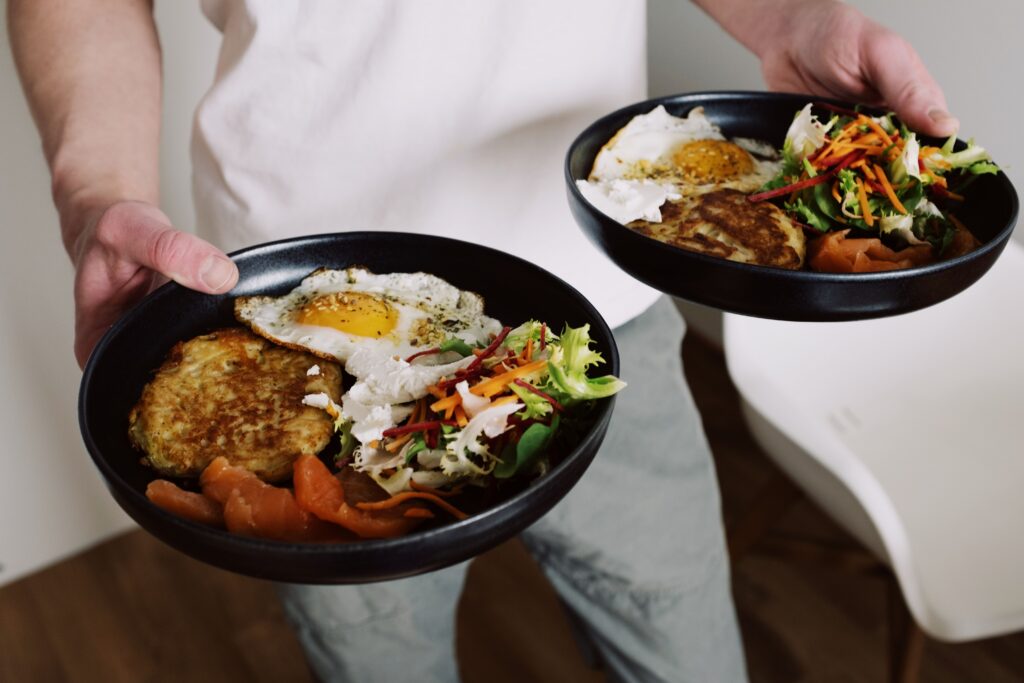
Effective moderation means committing to smaller portions. Just like buffets cut food waste without diminishing guest enjoyment by shrinking plate sizes, you can curb food intake without too much angst by reducing your portions. John Goodman credits considerably reducing his portion sizes for materially contributing to his 200-pound weight loss.
While some people need and use GLP-1s effectively, too many who take them do not need them and use them to avoid other necessary actions, such as dietary changes.
The Algorithm is Against You
Judging by supermarket shelves, restaurant menus, and TV advertising, the unhealthiest foods are the least expensive, most promoted, and most consumed.
We also face an endless number of “exceptional” opportunities to indulge: Tuesday’s business dinner, Thursday’s PTA meeting with cookie trays, Saturday’s cocktail party, and Sunday’s family bake-off competition.
You can bake Meli’s Monster cookies with your granddaughters and eat only half of one without spoiling the multigenerational experience.
You can avoid a lot of stress by using predetermination. Resolve to abstain before you arrive, and stick to it. In my other life as a CPG advocate, I attended an event last week with 200 vendors offering food and drink samples. I did not consume a crumb of food or a drop of liquid other than water.
What did I miss? Nonstop judgments about whether I should taste something, eating 100 small bites without fully appreciating any of them, and a bloated stomach. I also did not return home with the 5-7 pounds I had after previous events.
The Line
The causes of excessive body weight and solutions are complex and cannot be resolved in a blog post. It comes down to our relationship with food, and change is not easy. We must act against our natural inclination, a behavior modification that involves surrendering a portion of what we enjoy.
Like your time, jealously (not obsessively) guard your calories. When faced with a consumption opportunity, ask whether it is worth the caloric cost and the future sacrifice to keep your total consumption sensible.
Unless it is excellent, skip it. I do not drink low-quality wine even if it is free. I procure my gluttonous calories once a week at a restaurant with table service, not where a high schooler passes a bag through my driver’s side window.
_____________________________________________________
It’s simple: when you thoughtfully and intentionally invest your calories, you are healthier, feel better, and are more capable of doing the things you enjoy.
______________________________________________________