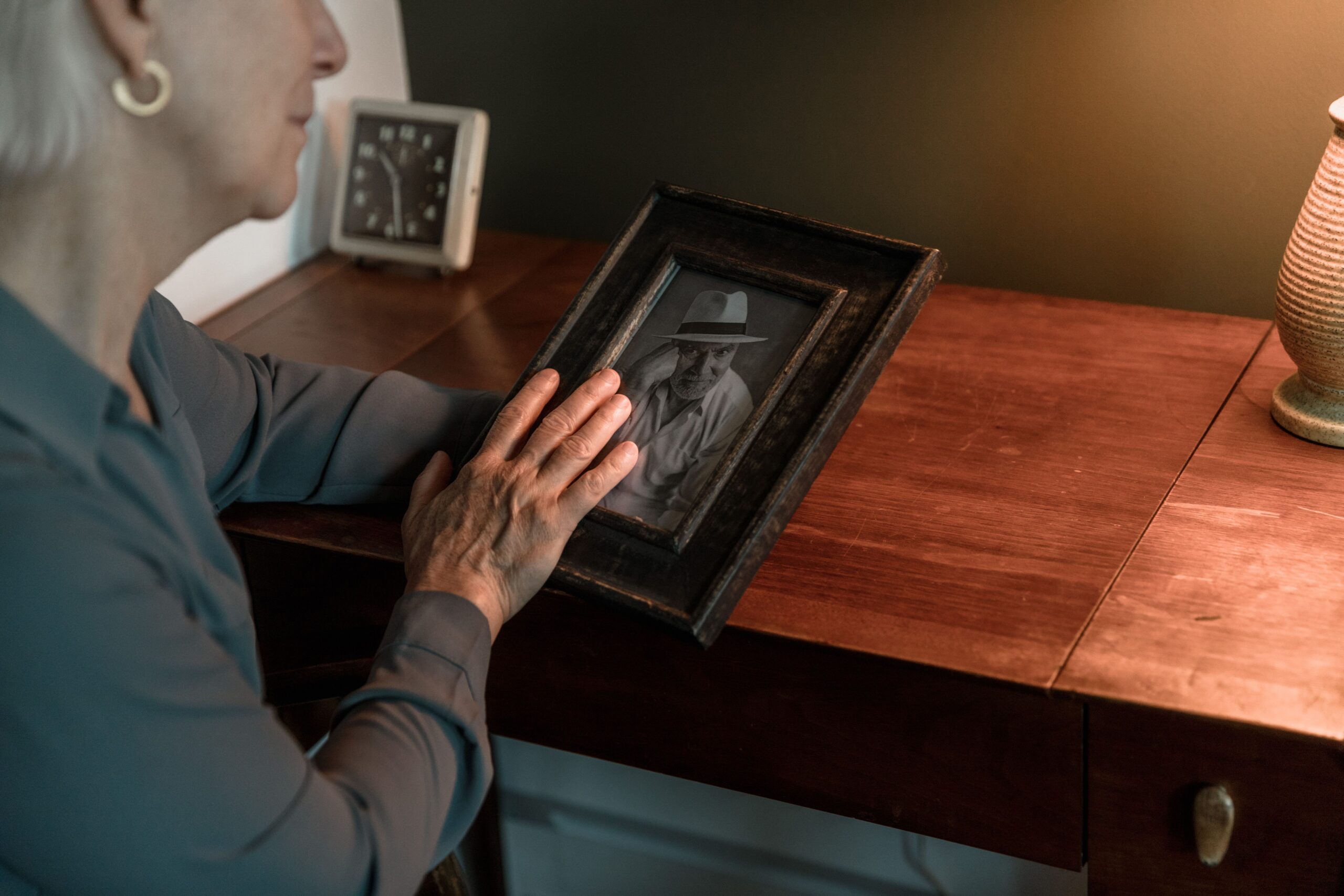
What do you do with your superfluous stuff? Do something with it, or you may leave it as my uncle left it to me.
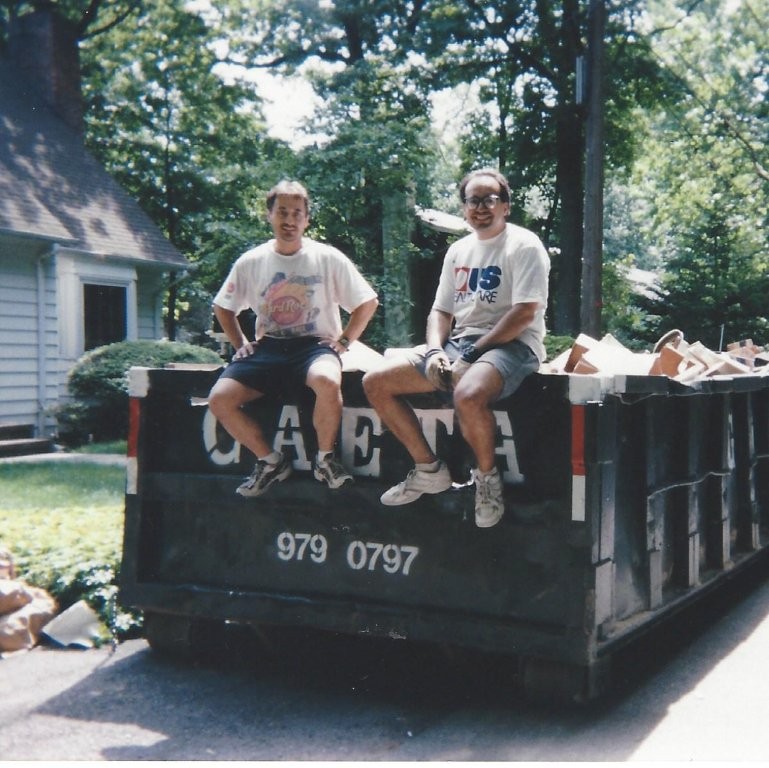
If you are many years away from dumping on your descendants, use these messages to develop habits you will not need to correct later.
Your Descendants?
Divest yourself of the notion that your descendants will want your residue, and operate under the assumption that they will dump virtually all of it. How many of your ancestors’ heirlooms do you use? Do you believe your descendants will want or use any more?
Ask them to take your supposedly prized possessions and observe their disinterested or even hostile reactions. More likely, they will resist taking their high school yearbook, bronze baby shoes, and second-grade report card, which have been collecting dust in your attic. Earlier this year, we received a less-than-enthusiastic reception from our children when we delivered the boxes of their junk that had cluttered our garage for ten years.
To avoid losing a small fortune, I gave my children the receipts for our prized Turkish rugs, hoping they would sell them rather than use them to line the dumpster. However, if maximizing sales proceeds is the goal, we are much more likely to achieve a higher price by selling them before it becomes necessary, rather than having our children sell them while “we’ve got to get mama’s house cleaned out this weekend.”
Memories of Yesteryear
Should a fond memory grant unused items permanent residency? Rather than keep the 1981 edition of Who’s Who of American High School Students or the finisher’s plaque from the 1992 New York City Marathon, I memorialized them in a digital photo. I have a memory prompt without the physical object. My children were delighted to receive the image, accompanied by a note that they would not have to worry about throwing it away later.
Do you envision your children reminiscing as they carry misnamed keepsakes to the curb, or will they wail, “Why did they hang onto these feces (translated from the original language)?” During my uncle’s house-cleaning, I took back many of the nice things I said in my eulogy.
Alas, even someone as callous and diligent as I am cannot part with everything. I placed my green plastic toy army soldiers, my GI Joe action figure, and the 1974 Dallas Cowboys pennant signed by the CBS television announcers in a box, along with a note for those burdened with them after my departure: “These items were too valuable to dispose of, but not valuable enough to give to anyone; you may transfer them to the dumpster without further consideration.”
The Bottom Line
In a departure from my usual 52 Steps Forward approach, I have neither conducted a root cause analysis nor focused on our “why.” For most, our why is not so great, and the benefits of thoughtful possession can overcome our default mode.
Rather than worry about the deprivation that comes with judicious acquisition and disposition, consider the liberation. Mother Teresa told us, “Poverty is freedom. It is a freedom so that what I possess doesn’t own me, so that what I possess doesn’t hold me down, so that my possessions don’t keep me from sharing or giving of myself.”
As the patron saint of downsizing and death disposition (uncle, aunt, mom, sister, cousin, brother-in-law), I could write a book, but I will stop here, since you can probably fill in the gaps with stories from your family.
Unsurprisingly, no matter how diligent we are, we will not attain nirvana with our possessions. My children will still need a dumpster, and reducing it from 30 cubic yards to 15 is only a secondary concern.
_____________________________________________
Thoughtful possession is the goal. What I did not use, others do, and I am free of the things that once weighed me down.
______________________________________________