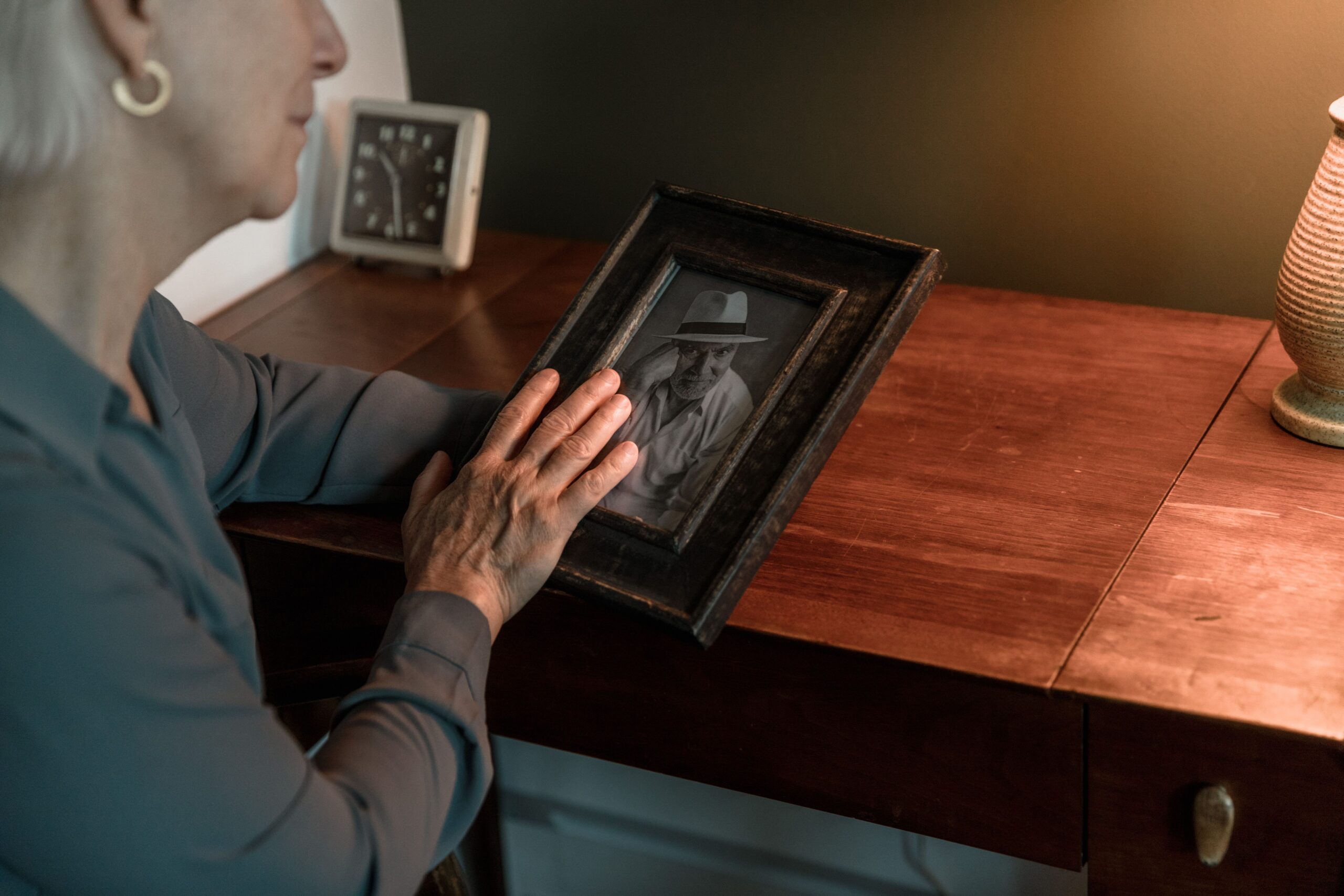
What about our grief? We will consider different perspectives while acknowledging that a solitary blog post is particularly inadequate for those who have suffered the loss of a spouse or descendant. Cathy and I witnessed our parents grieve the deaths of their oldest children and dear friends unexpectedly lose their husbands. In these cases, I urge you to use available resources, including support groups and professional therapy.
There They Go
You can compare a lost loved one to the hundreds of people I have been close to over the years through school, jobs, and neighborhoods. Even in the era of online social networks, I have lost contact with virtually all of them as we experienced the natural drifting apart that comes with life.
My ride-or-die high school buddies were a crucial part of my adolescence, but being a part of my life today was not meant to be or necessary. I appreciate but do not mourn those concluded relationships.
Rather than unfinished or prematurely terminated, we can regard our relationship with a departed loved one as having served its essential purpose and reached its natural conclusion. Of course, death’s frequent suddenness, involuntary nature, and permanence intensify its impact.
At the risk of sounding utopian, death may be a necessary part of our existence, like the seasons’ sproutings and witherings that work together to sustain our ecosystem, or like the seasonal African wildfires that rejuvenate the savannahs. Perhaps this is why people at funerals refer to the birth of a new family member as the “replacement” for an older, deceased one.
For those who like music, listen to the Byrds’ timeless classic, Turn! Turn! Turn!
Not Easy
I am not suggesting you adopt callous, “here today, gone tomorrow” or “out with the old, in with the new” attitudes. Such attitudes would needlessly discourage or diminish intimate relationships. The purpose is to provide context for the duration of our relationships.
Ironically, you may appreciate great sorrow as it is directly proportionate to the depth of your relationship. It is a double-edged sword. How much of your best relationship would you sacrifice to reduce the grief afterward?
Anyway, a relationship is never truly over, because we keep carrying something of it. I miss my mommy and regret that Little Ricky will never know the joy of being yelled at for touching the curtains or being called stupid, as his mom and I were. This past Sunday, I wistfully remembered that it had been 52 weeks since I last heard JMitch tickle the ivories at church. Rather than cause despair or sadness, I use those memories to comfort myself, relishing the fine relationships I enjoyed.
You cannot and should not avoid grief. Processing is essential to coping and recovery. However, you do not need to hold onto grief to prove that you valued or miss the relationship.
The Afterlife
Those with faith that includes an afterlife find comfort in believing the deceased is in a “better place.” Mother Teresa eloquently expressed this belief while consoling a friend whose nephew had died.
“It must have been a big shock to all of you, as you all had seen the child three days before his death alive and happy. God, our loving Father, who knows us, loves us, knows the best for us, has taken [the son] for Himself to heaven, where he is now living in full the life that God wants to give us. So it is a happy and consoling thought for the parents that [he] is not dead in sin but alive fully in heaven through God’s love and mercy.”
________________________________________________
Treasure and carry the memory of your departed loved ones. Grieving and understanding lead to peace.